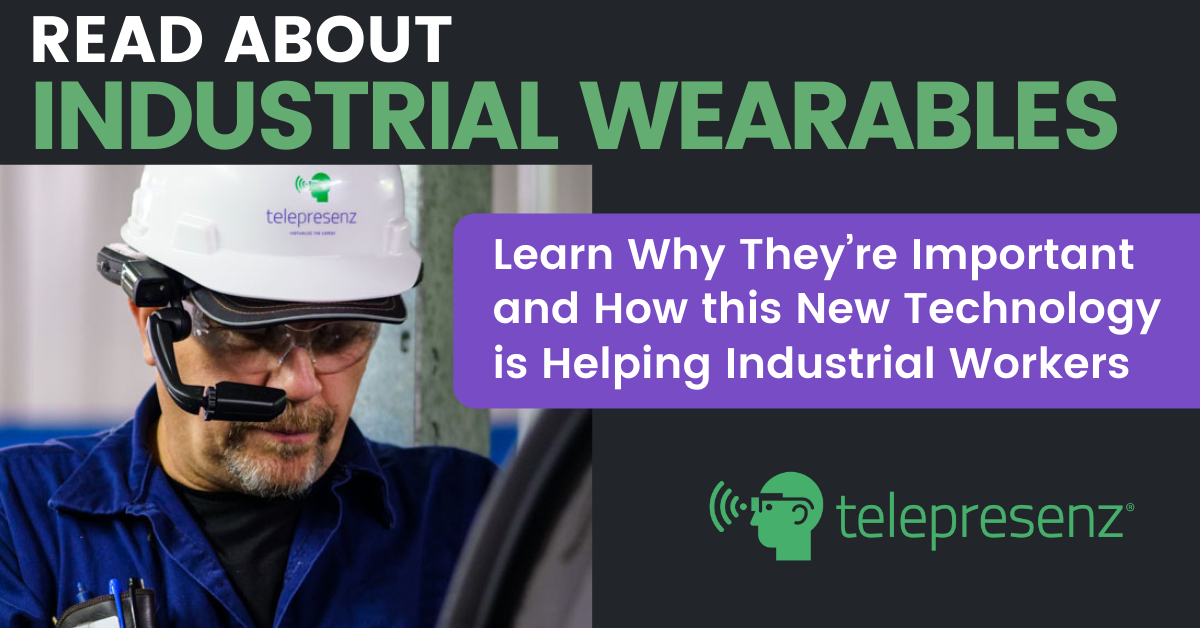
Wearables have been getting a lot of attention recently, with major tech companies like Apple and Samsung leading the charge to mass-market smartwatches and other wearables. While they have been targeted primarily at consumers, they have quickly found an application in the industrial sector as well. In fact, the oil and gas industries have been using them for years to help their employees do their jobs more efficiently and safely.
1) What are Industrial Wearables?
Industrial wearables are essentially connected sensors that monitor performance, health, or wellbeing in some way. These devices vary widely in size, style, and functionality, but what unites them all is their power to transform our working lives for the better—and at a very real level by providing real-time data on productivity, alerting of errors or issues before they occur, or even extending the range of motion so work can be done with greater ease by anyone, no matter their physical ability.
As businesses worldwide rush to implement these new technologies across their organizations, it’s vital we get ahead of them by asking ourselves what our goals are for using industrial wearables in our business. Some of the top industrial wearables manufacturers include RealWear, Vuzix, Rokid Glass, Eleksen, and Behr Tech. They all have product lines designed to help workers with their day-to-day processes.
2) Why Are Industrial Wearables Important?
Industrial wearables are a new wave of technology designed to help factory, field, assembly line, and other industrial employees complete their tasks with greater efficiency, while also providing greater insight into what’s happening on-site.
These devices help enable workers to better do their jobs by improving machine uptime and increasing worker safety. And because wearables typically have low barriers to entry—many solutions can be set up in under 30 minutes—many businesses are turning to these tools as a way to gain a competitive edge in manufacturing operations. Other benefits include greater accuracy when it comes to asset utilization rates, improved decision-making capabilities, and reduced workplace injuries.
3) How Are Industrial Wearables Helping Workers?
As stated in an industry report, two of every three people working in manufacturing are expected to be operating machinery by themselves within ten years. To that end, these employees will need some sort of wearable technology—both for safety reasons and to improve efficiency on their jobs—to ensure they stay safe while completing their duties.
Wearables provide hands-free access to critical information, allowing workers to maintain focus on the task at hand. Whether it's receiving step-by-step instructions through an AR eyepiece or alerting a supervisor about a potential hazard, these tools act as a second pair of eyes and an extra layer of protection.
Final Thoughts
There are lots of software options for wearables but very few exist specifically for industrial workers. If you’re interested in trying industrial-focused software for wearables you can get access to a great one for free here.
If your industrial company requires some of its employees to perform repetitive tasks, try gamifying those jobs with wearable tech. This can help them better understand what needs to be done and help companies retain their top talent by focusing on areas where employee satisfaction is low and turnover high.
Contact Telepresenz® today to learn how our advanced software platform can maximize the ROI of your wearable technology deployment.